Step-by-Step Breakdown of the Components
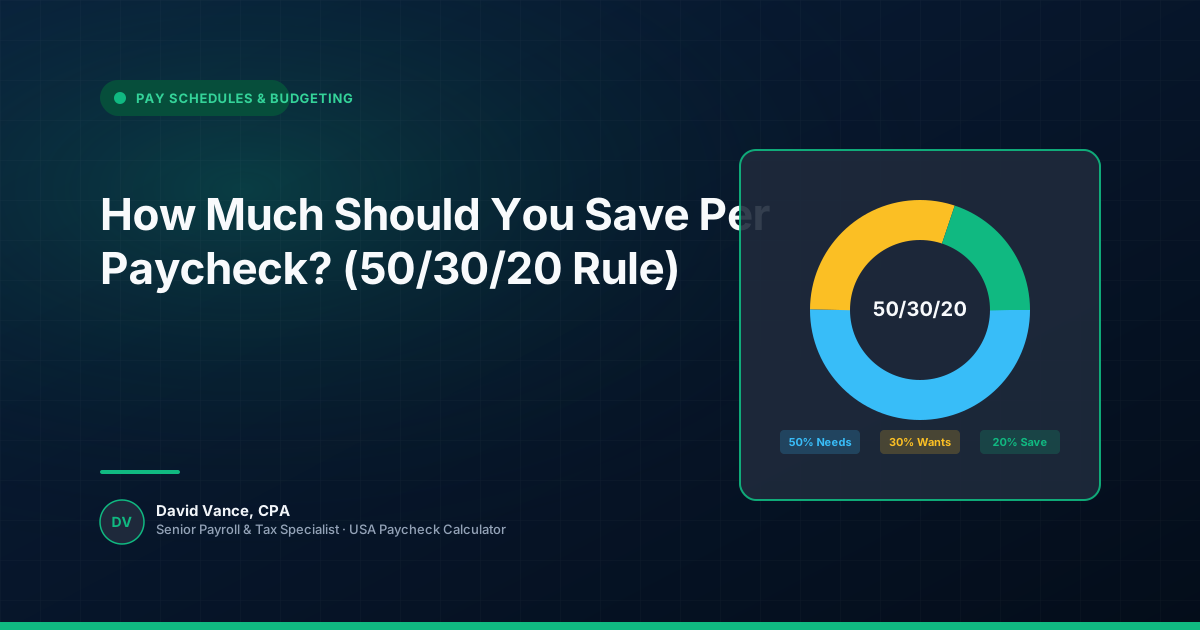
The 50/30/20 rule can be a useful starting framework. It divides after-tax income into roughly 50% for needs, 30% for wants and 20% for savings and debt repayment. It is a budgeting framework, not a tax rule and not a requirement.
The important phrase is starting framework.
If your take-home pay is $4,000 per month, 20% would be $800. If you're paid biweekly, however, you don't necessarily want to think only in monthly terms. A worker receiving 26 paychecks has two additional pay periods in some calendar years compared with a twice-monthly schedule, and the timing of those checks can affect how you structure savings.
Taxes, Deductions, and Adjustments
A better process is to start with your actual net pay.
Look at several recent pay stubs and determine your normal take-home amount. Then separate fixed obligations from discretionary spending. If you have high-interest debt, an emergency fund that is far below your target, or an employer retirement match you are not using, those factors may change the order in which you allocate your savings.
For example, someone with unstable income may value a larger cash reserve before increasing discretionary spending.
Someone with stable income and a strong emergency fund may prioritize retirement contributions differently.
Estimating and Verifying Your Paycheck
The paycheck itself is useful here because it tells you what is actually available after payroll deductions. Gross salary can make a budget look healthier than it really is.
If you receive a raise, don't automatically increase every spending category. You can decide in advance that part of the additional take-home pay will go toward savings or debt.
A paycheck calculator can help with the first step: estimating what a salary change may do to net pay. Your budget then takes over.
The 50/30/20 rule is most useful when it helps you make a decision rather than when it becomes a scorecard. If your current numbers don't fit the percentages, that doesn't mean your budget failed. It means you have identified the trade-offs you actually need to manage.