Step-by-Step Breakdown of the Components
Start with the pay period. Check the dates covered by the statement and the pay date. A change in the number of hours, overtime, unpaid leave or a mid-period start can explain a difference before you even reach the tax lines.
Taxes, Deductions, and Adjustments
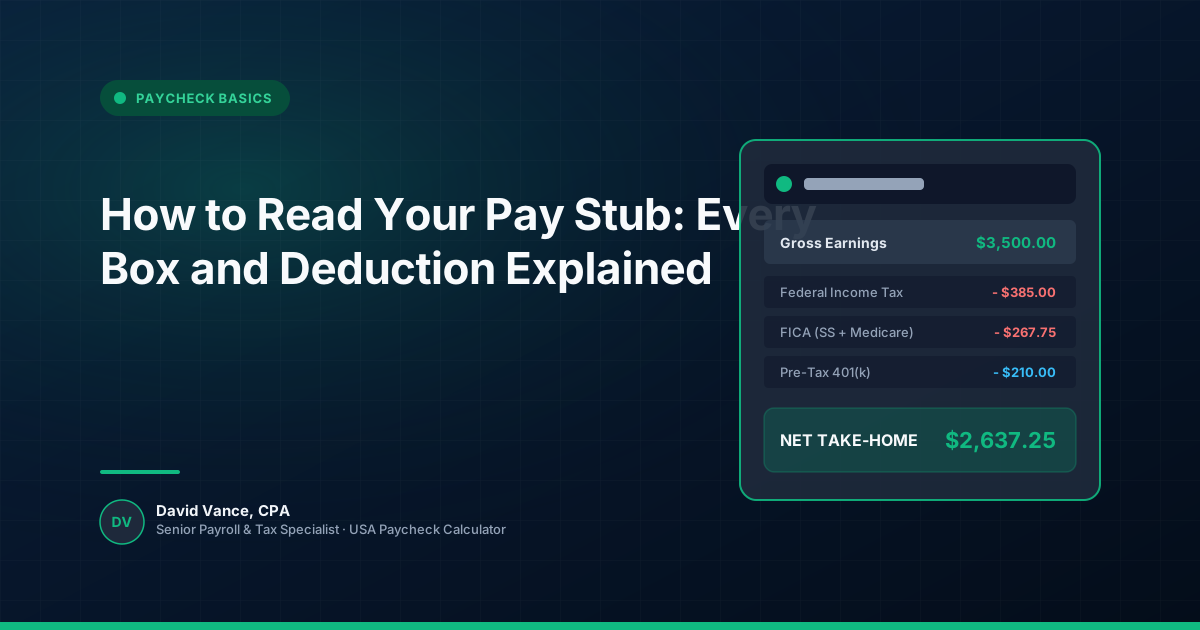
Next, find gross pay. This is the amount of wages or salary represented by that pay period before the deductions shown on the statement. It is not necessarily the same thing as every taxable-wage figure on the stub. Pre-tax benefits and other payroll rules can cause the wage bases used for different taxes to differ.
Then look at taxes. Federal income tax withholding is money sent toward your federal income-tax obligation; it is not a final calculation of the tax you will owe when you file. Social Security and Medicare are FICA taxes and follow different rules. For 2026, the employee Social Security rate is 6.2%, the Social Security wage base is $184,500, and Medicare is 1.45% with no wage-base limit. Employers also withhold the 0.9% Additional Medicare Tax once wages paid to an employee exceed $200,000 during the year. turn0search5■ After taxes, review deductions and benefits. A 401(k), health plan, HSA, FSA, insurance premium or other deduction can reduce the amount that reaches your bank account. The important detail is whether each deduction is pre-tax or post-tax and which wage bases it affects.
Estimating and Verifying Your Paycheck
Finally, compare net pay with the amount deposited into your bank account. If they differ, look for separate payroll items, corrections or deposits that cover a different pay period.
A good pay-stub review is less about memorizing every abbreviation and more about tracing the calculation from gross pay to net pay. Once you know what each line is doing, a paycheck calculator becomes much more useful: you can use it to test an estimate against the actual payroll result rather than treating either number as a mystery.